10 Sleep Apnea Symptoms You Should Never Ignore
Do you wake up feeling tired even after a full night’s sleep? Do you snore loudly or struggle to stay awake during the day? These may be signs of obstructive sleep apnea (OSA), a common but often undiagnosed sleep disorder that affects millions of people worldwide.
Obstructive sleep apnea occurs when the airway repeatedly becomes blocked during sleep, causing breathing to stop and start throughout the night. These interruptions can happen dozens or even hundreds of times, preventing the body and brain from getting the oxygen and restorative sleep they need.
Many people are unaware they have sleep apnea because the symptoms occur while they are asleep. Recognizing the warning signs can help you seek treatment before serious health complications develop.
1. Loud, Chronic Snoring
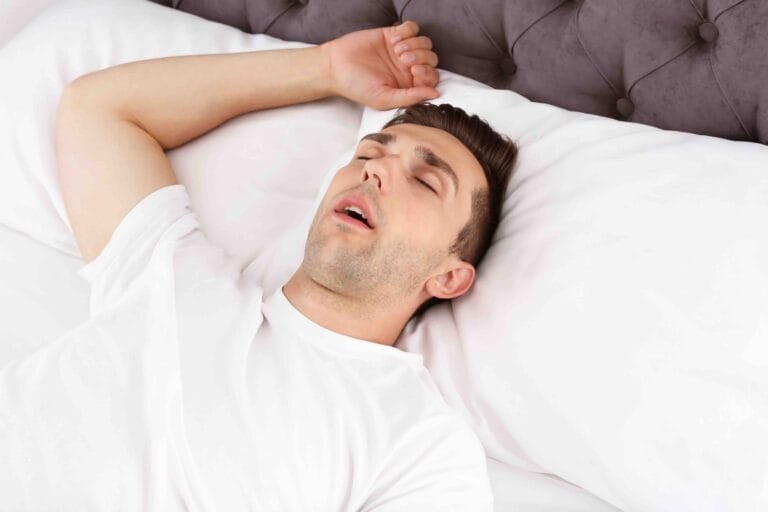
One of the most common signs of obstructive sleep apnea is loud snoring. While not everyone who snores has sleep apnea, frequent and disruptive snoring may indicate that the airway is partially blocked during sleep.
Snoring that is interrupted by pauses, gasping, or choking sounds is particularly concerning and should be evaluated by a healthcare professional.
2. Pauses in Breathing During Sleep
Often noticed by a spouse or family member, pauses in breathing are one of the hallmark signs of sleep apnea. During these episodes, airflow stops temporarily because the airway collapses.
The brain senses the lack of oxygen and briefly wakes the sleeper to reopen the airway. Most people do not remember these awakenings, but they can occur repeatedly throughout the night.
3. Gasping or Choking During Sleep
Many patients with sleep apnea experience sudden awakenings accompanied by gasping, choking, or a sensation of not being able to breathe.
These episodes occur when the body struggles to restore normal breathing after an airway obstruction and can be frightening for both the patient and their sleeping partner.
4. Excessive Daytime Fatigue
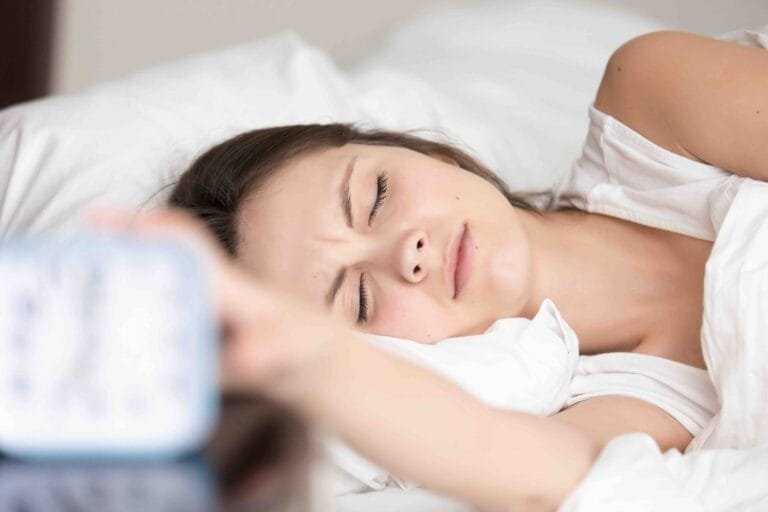
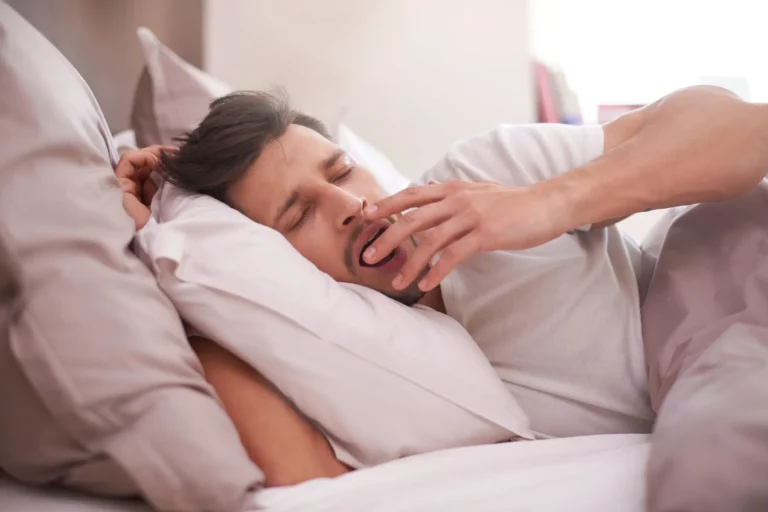
Feeling exhausted during the day despite spending enough time in bed is a major warning sign.
Because sleep apnea repeatedly disrupts sleep cycles, patients often fail to reach the deep, restorative stages of sleep necessary for physical recovery and mental performance. As a result, they may feel sleepy while working, driving, reading, or watching television.
5. Morning Headaches
Frequent morning headaches can be associated with obstructive sleep apnea. Reduced oxygen levels and sleep fragmentation may contribute to headaches that are present upon waking and gradually improve throughout the day.
Many patients are surprised to learn that their morning headaches may be related to a sleep breathing disorder.
6. Dry Mouth or Sore Throat Upon Waking
People with sleep apnea often breathe through their mouths during sleep due to airway obstruction or nasal congestion.
This can lead to a dry mouth, sore throat, or unpleasant taste upon waking. Although these symptoms may seem minor, they can be indicators of an underlying breathing problem.
7. Difficulty Concentrating or Memory Problems
Poor sleep quality affects brain function. Many patients with sleep apnea report difficulty concentrating, forgetfulness, reduced productivity, or mental fog during the day.
These cognitive symptoms can impact work performance, relationships, and overall quality of life.
8. Mood Changes, Anxiety, or Irritability
Sleep plays a critical role in emotional well-being. When sleep is repeatedly interrupted, patients may experience mood swings, irritability, anxiety, or symptoms of depression.
Sometimes patients seek treatment for emotional symptoms without realizing that untreated sleep apnea may be contributing to the problem.
9. Teeth Grinding and Jaw Pain
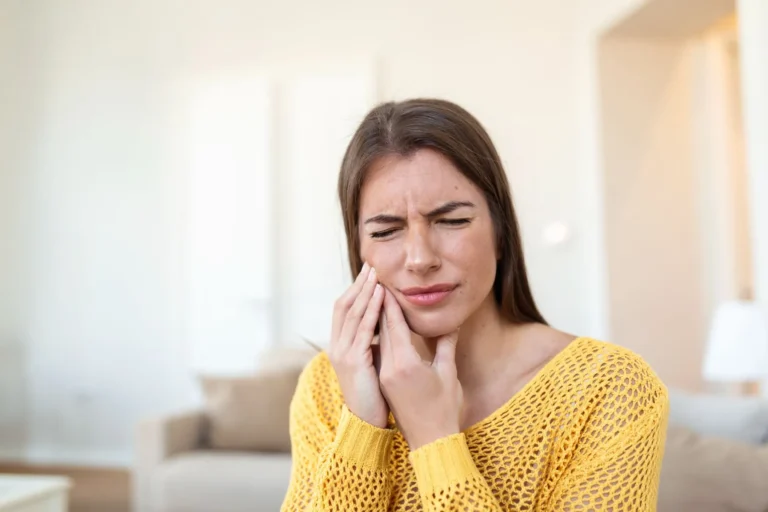
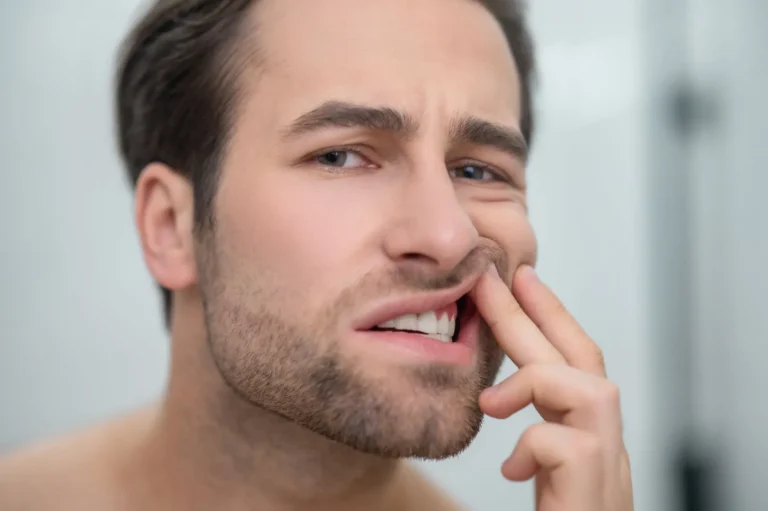
Many people with sleep apnea also grind or clench their teeth during sleep, a condition known as bruxism.
Researches show that grinding may be a protective response as the body attempts to reopen a blocked airway. Patients may wake with jaw pain, facial muscle soreness, headaches, or signs of tooth wear.
If you have both teeth grinding and snoring, a sleep apnea evaluation may be recommended.
10. High Blood Pressure or Cardiovascular Problems
Untreated sleep apnea places significant stress on the cardiovascular system. Repeated drops in oxygen levels can contribute to high blood pressure, heart disease, irregular heart rhythms, stroke, and other serious health conditions.
In some cases, patients first discover they have sleep apnea after being evaluated for cardiovascular concerns.
When Should You Seek Help?
If you experience several of these warning signs, especially loud snoring, daytime fatigue, or witnessed pauses in breathing, it is important to seek professional evaluation.
Sleep apnea is a serious medical condition, but effective treatments are available. Depending on the cause and severity, treatment options may include lifestyle changes, oral appliance therapy MAD, CPAP therapy, airway-focused treatment, or collaboration with sleep physicians and other healthcare professionals.
Obstructive sleep apnea is more than just snoring. It is a potentially serious condition that can affect your sleep quality, energy levels, cognitive function, oral health, and overall well-being.
The good news is that diagnosis and treatment can significantly improve quality of life and reduce long-term health risks. If you recognize these warning signs in yourself or a loved one, consider scheduling a professional evaluation. Early detection can make a meaningful difference in your health, sleep, and daily life.
Visit us at Serenity Dental Clinic
2202, 22nd floor, Control Tower, Motor City, Dubai