Can Teeth Grinding Sensitivity Affect Your Teeth?
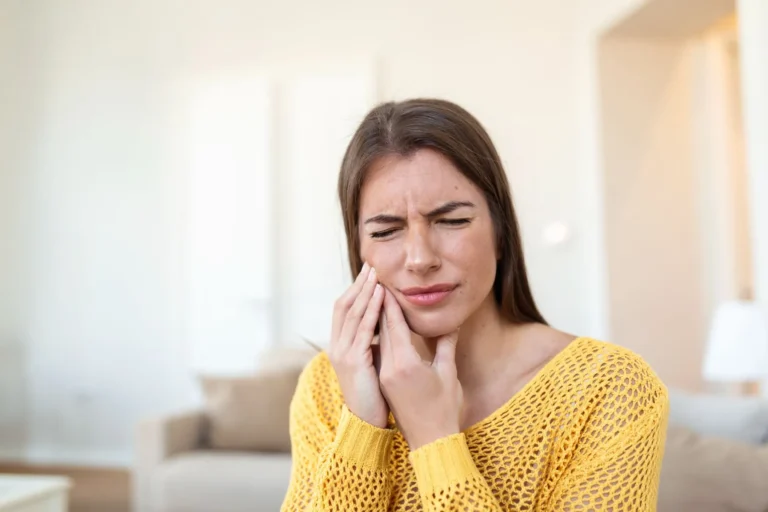
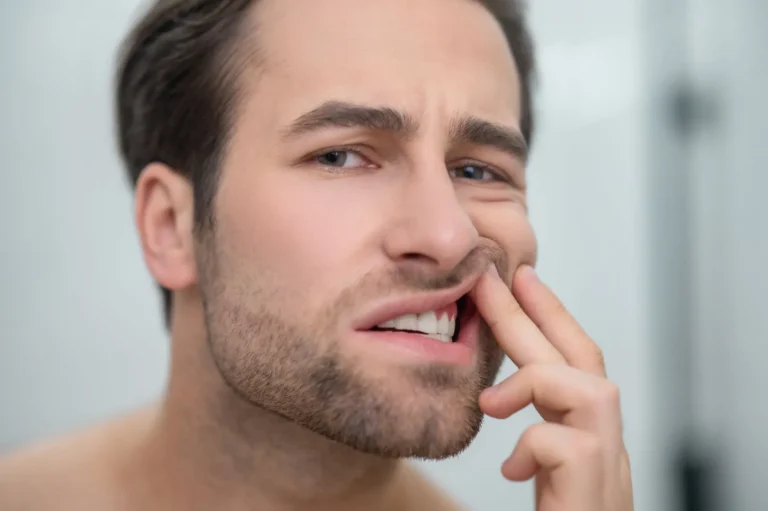
Have you ever taken a sip of cold water or enjoyed a hot cup of coffee and felt a sudden sharp pain in your teeth? If so, you may be experiencing tooth sensitivity. While many people assume cavities are the cause, another common but often overlooked reason is teeth grinding, also known as bruxism.
Teeth grinding can affect your oral health in many ways, including causing tooth sensitivity, jaw pain, headaches, and damage to your teeth. Understanding the connection can help you seek treatment before the problem becomes more serious.
What Is Teeth Grinding?
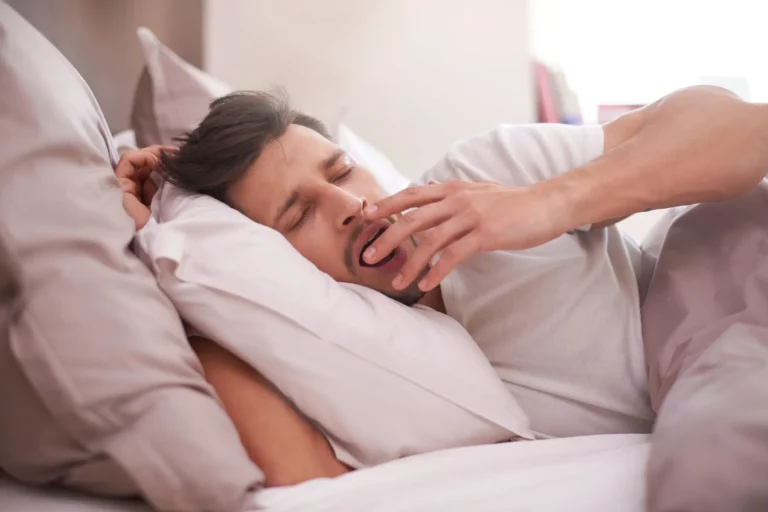
Bruxism is the habit of clenching or grinding your teeth. Some people do it during the day when they are stressed or concentrating, while others grind their teeth during sleep without realizing it.
Because sleep bruxism happens unconsciously, many people only discover they have the condition after a dentist notices signs of wear on their teeth or a partner hears grinding noises at night.
How Does Teeth Grinding Cause Sensitivity?
Your teeth are protected by a hard outer layer called enamel. Enamel acts as a shield against temperature changes, acidic foods, and daily chewing forces.
When you grind your teeth repeatedly, excessive pressure is placed on the enamel. Over time, this can wear the enamel down. Once the enamel becomes thinner, the layer underneath, called dentin, becomes exposed.
Dentin contains thousands of tiny microscopic channels that connect to the nerve inside the tooth. When cold, hot, sweet, or acidic foods reach these channels, they can trigger a sharp, painful sensation.
This is why many people who grind their teeth begin to notice increasing sensitivity over time.
Signs Your Tooth Sensitivity May Be Related to Grinding
If tooth grinding is the cause of your sensitivity, you may notice other symptoms as well, including:
- Waking up with a sore or tired jaw
- Morning headaches
- Tightness in the jaw muscles
- Clicking or popping in the jaw joints
- Flattened or worn-down teeth
- Small cracks in the teeth
- Neck or facial muscles discomfort
- Indentations along the sides of the tongue
If you experience several of these symptoms together, bruxism may be contributing to your dental discomfort.
Can Grinding Cause Other Tooth Problems?
Yes. In addition to sensitivity, untreated grinding can lead to a variety of dental complications.
Excessive grinding forces may cause:
- Tooth fractures
- Chipped teeth
- Worn chewing surfaces
- Gum recession
- Loose teeth
- Damage to dental crowns and fillings
- Increased risk of TMJ disorders
As the teeth become worn and damaged, sensitivity often becomes more severe.
Why Do People Grind Their Teeth?
There is rarely a single cause. Bruxism is often linked to several contributing factors, including:
- Stress and anxiety
- Poor sleep quality
- Obstructive sleep apnea
- Airway problems
- Misaligned teeth or bite issues
- Certain medications
- Excessive caffeine or alcohol consumption
In recent years, research has shown a strong connection between sleep-disordered breathing and nighttime teeth grinding. In some patients, grinding may be the body’s attempt to protect or reopen the airway during sleep.
This is why an experienced dentist may evaluate not only your teeth but also your sleep and breathing patterns.
How Is Tooth Sensitivity from Grinding Treated?
The first step is identifying the underlying cause or root cause of the grinding.
Your dentist may perform a comprehensive examination to look for signs of tooth wear, enamel loss, muscle tension, and jaw joint problems. Depending on the findings, treatment options may include:
Protective oral appliances
A custom-made dental appliance made after relaxation of the muscles may help reduce damage to the teeth during sleep and decrease stress on the jaw joints.
Treatment of sleep breathing issues
If sleep apnea or airway obstruction is contributing to grinding, addressing the breathing problem may help reduce bruxism.
Stress management
Relaxation techniques, exercise, and improved sleep habits can be beneficial for some patients.
Desensitizing treatments
Special toothpastes, desensitizing products or bonding materials may help reduce tooth sensitivity and protect exposed dentin.
Restorative dentistry
In cases of significant wear or damage, dental restorations may be needed to rebuild and protect the teeth.
When Should You See a Dentist?
Occasional tooth sensitivity is common, but persistent or worsening sensitivity should not be ignored.
You should schedule an evaluation if you:
- Feel sharp pain when eating or drinking hot or cold foods
- Wake up with jaw discomfort or headaches
- Notice your teeth appear shorter or flatter
- Have cracked or chipped teeth
- Experience clicking or pain in your jaw joints
Early diagnosis can prevent further damage and help preserve your teeth for years to come.
Teeth grinding is more than just a bad habit. It can gradually wear away tooth enamel, expose sensitive areas of the teeth, and contribute to significant dental and jaw problems. If you are experiencing tooth sensitivity along with jaw tension, headaches, or signs of tooth wear, bruxism may be an underlying cause.
A thorough dental examination can help identify the source of the problem and determine the most effective treatment. By addressing teeth grinding early, you can protect your smile, reduce discomfort, and improve your overall oral health and quality of sleep.
Visit us at Serenity Dental Clinic
2202, 22nd floor, Control Tower, Motor City, Dubai