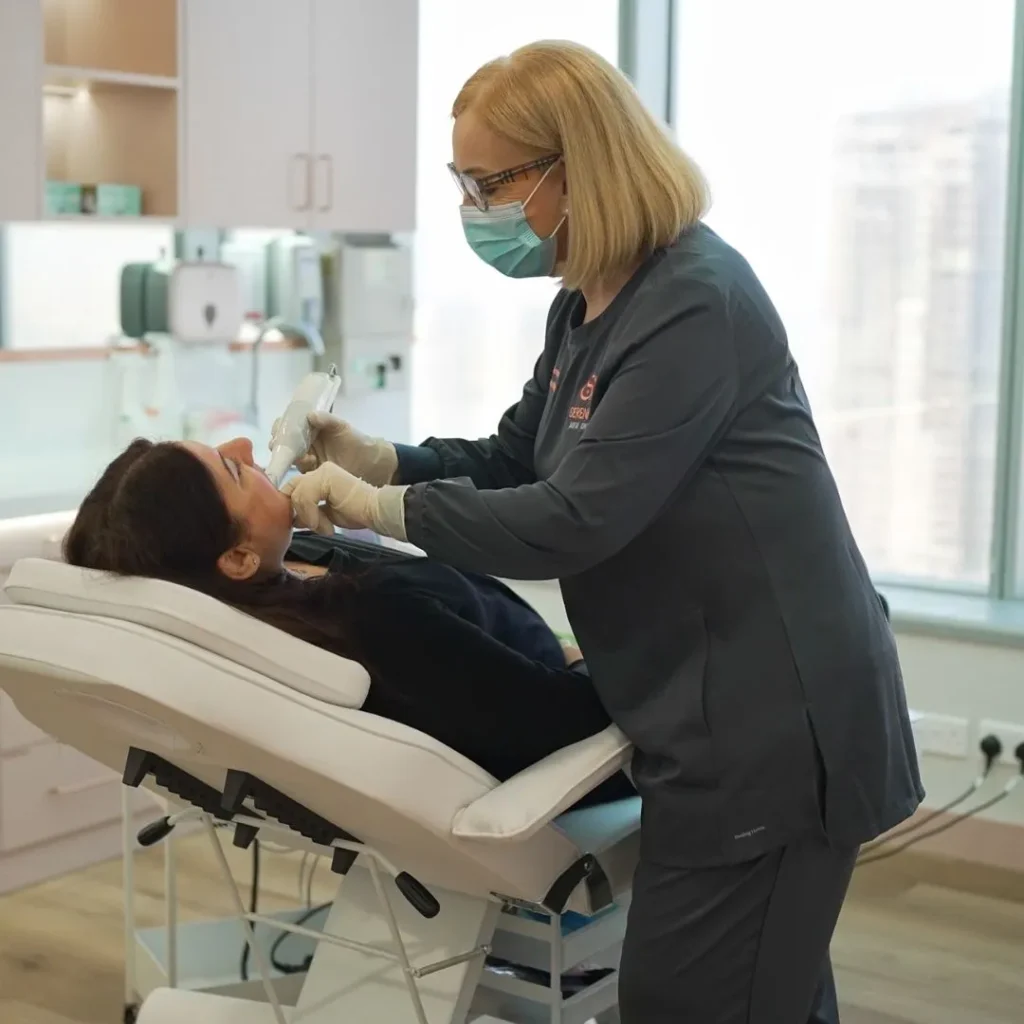
What Is Mouth Tape: Benefits and Risks
Breathing may seem like the simplest and most automatic function of the body, yet the way we breathe—especially during sleep—can have a profound impact on oral health, sleep quality, and overall wellbeing.
In recent years, mouth tape has gained attention online as a potential solution for snoring, mouth breathing, and poor sleep. Many people are curious about whether this practice is safe, effective, or even necessary.
At Serenity Dental Clinic in Dubai, we often meet patients who have heard about mouth tape through social media or word of mouth. They come with important questions:
Is it safe? Does it really work? And most importantly, is it the right solution for their specific situation?
In this article, we will explore:
- What mouth tape is and how it works
- Why mouth breathing can be a problem
- The potential benefits and risks of mouth taping
- When it may or may not be appropriate
- What safer, dentist-guided alternatives exist
Understanding these aspects will help you make informed decisions about your health rather than relying on trends or DIY solutions.
What is mouth tape and how does it work?
Mouth tape refers to the practice of placing a small piece of adhesive tape over the lips before sleep to encourage breathing through the nose instead of the mouth.
The idea behind this method is simple: by keeping the mouth closed, the body is “forced” to breathe through the nose. Nasal breathing is generally considered more beneficial because it filters, humidifies, and warms the air before it reaches the lungs.
From a physiological point of view, nasal breathing supports:
- Better oxygen exchange
- Reduced dryness in the mouth
- Improved airway stability
- A more balanced oral environment
However, while the concept may seem straightforward, the reality is more complex.
Mouth breathing is often not just a habit, but a symptom of an underlying issue such as:
- Nasal obstruction
- Enlarged tonsils or adenoids
- Jaw or bite problems
- Airway dysfunction
Simply taping the mouth does not address these root causes. Instead, it may temporarily mask them.
At Serenity Dental Clinic, we emphasise that every breathing pattern has a reason behind it. Before considering any intervention, it is essential to understand why mouth breathing is happening in the first place.
👉 Read more about airway dentistry and breathing solutions
Why do people use mouth tape for sleep?
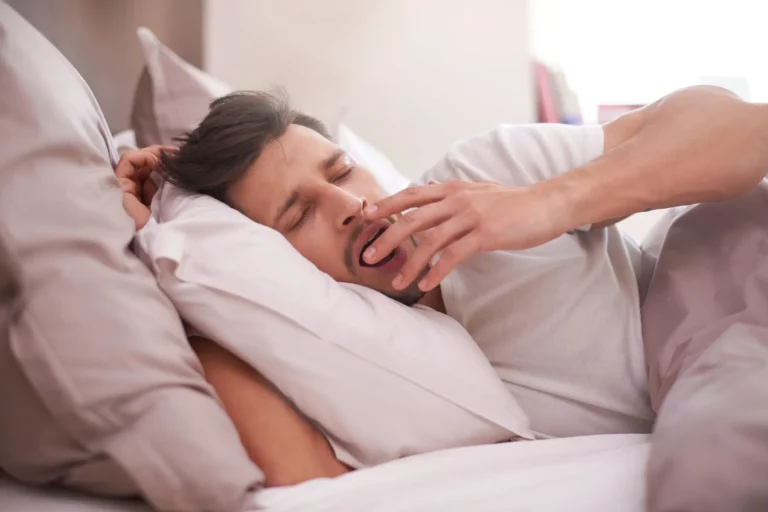
People are increasingly turning to mouth tape as a way to improve sleep quality and reduce common nighttime issues.
The most common reasons include:
- Snoring
- Dry mouth upon waking
- Bad breath
- Frequent waking during the night
- Feeling tired despite sleeping
These symptoms are often linked to mouth breathing, which can disrupt normal sleep patterns.
When the mouth remains open during sleep:
- The airway may become less stable
- The tongue may fall backward
- Saliva production decreases, leading to dryness
- The risk of interrupted breathing increases
As a result, sleep becomes less restorative.
Mouth tape is often promoted as a quick solution to encourage nasal breathing and reduce these symptoms. However, it is important to understand that symptoms like snoring or poor sleep are rarely isolated issues.
They may be connected to conditions such as:
- Sleep-disordered breathing
- Mild or moderate sleep apnea
- Jaw misalignment
- Muscle dysfunction in the face and tongue
At Serenity Dental Clinic in Dubai, we approach these symptoms from a broader perspective. Rather than focusing only on the symptom, we evaluate the entire airway system to identify the true cause.
👉 Discover how airway dentistry can improve your sleep quality
What are the potential benefits of mouth tape?
When used in very specific and carefully selected cases, mouth tape may offer some short-term benefits.
These can include:
- Encouraging nasal breathing
- Reducing dry mouth
- Slight reduction in mild snoring
- Improved moisture balance in the oral cavity
Nasal breathing plays an important role in oral and general health. It helps maintain a healthier environment in the mouth by supporting saliva production and reducing bacterial imbalance.
Some individuals report feeling more refreshed in the morning when they successfully transition from mouth breathing to nasal breathing.
However, it is crucial to highlight that these benefits are not universal.
The effectiveness of mouth tape depends heavily on:
- The absence of airway obstruction
- Proper nasal function
- Healthy muscle tone in the tongue and lips
Without these conditions, the benefits may be limited or nonexistent.
At Serenity Dental Clinic, we believe that while encouraging nasal breathing is beneficial, it should be achieved through safe and personalised methods rather than relying on a one-size-fits-all approach.
👉 Learn about safe and personalised treatments for breathing and oral health
What are the risks of mouth taping during sleep?
Although mouth tape may seem harmless, it is not risk-free—especially when used without professional guidance.
Some of the main risks include:
- Breathing obstruction
If the nose is not fully clear, taping the mouth can make breathing more difficult and uncomfortable. - Undiagnosed sleep apnea
In patients with sleep apnea, mouth taping may worsen breathing interruptions instead of improving them. - Anxiety or discomfort
Some individuals may experience a feeling of suffocation or panic. - Skin irritation
Adhesive materials can cause irritation or allergic reactions on sensitive skin. - Delayed diagnosis
Relying on mouth tape may delay proper diagnosis of underlying airway or dental issues.
One of the most important considerations is that breathing is a vital function. Any intervention that interferes with it should be approached with caution.
At Serenity Dental Clinic in Dubai, we strongly advise against self-diagnosing or self-treating breathing issues. What may appear to be a simple habit could actually be a sign of a more complex condition requiring professional care.
👉 Find out how we safely assess airway and sleep-related issues
Can mouth tape help with snoring and sleep apnea?
This is one of the most frequently asked questions, and the answer is not straightforward.
Mouth tape may help reduce mild snoring in individuals who:
- Primarily breathe through the mouth
- Have no significant airway obstruction
- Have good nasal airflow
In these cases, encouraging nasal breathing can stabilise the airway and reduce vibrations that cause snoring.
However, when it comes to sleep apnea, the situation is very different.
Sleep apnea is a medical condition characterised by repeated interruptions in breathing during sleep. It often involves:
- Airway collapse
- Reduced oxygen levels
- Fragmented sleep
Mouth tape does not treat the underlying cause of sleep apnea. In some cases, it may even worsen symptoms if nasal breathing is not sufficient.
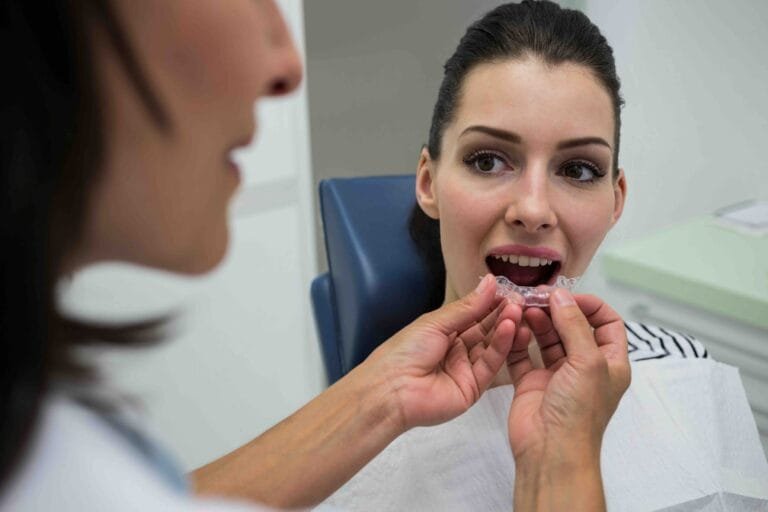
At Serenity Dental Clinic, airway dentistry plays a key role in identifying and managing these conditions. We use advanced diagnostics to understand how the jaw, tongue, and airway interact during sleep.
Treatment options may include:
- Custom oral appliances
- Orthodontic solutions
- Myofunctional therapy
- Multidisciplinary care
👉 Explore professional solutions for snoring and sleep apnea
Why is mouth breathing a problem for oral health?
Mouth breathing is not just a sleep issue—it can have significant consequences for oral health.
Saliva plays a crucial role in protecting the teeth and gums. It helps:
- Neutralise acids
- Wash away bacteria
- Maintain a balanced oral environment
When you breathe through your mouth, saliva evaporates more quickly, leading to dryness.
This can result in:
- Increased risk of cavities
- Gum inflammation and periodontal disease
- Bad breath
- Tooth sensitivity
In children, chronic mouth breathing can also affect facial development, leading to:
- Narrow dental arches
- Misaligned teeth
- Changes in jaw growth
At Serenity Dental Clinic in Dubai, we take a preventive approach. By identifying mouth breathing early, we can guide both adults and children toward healthier breathing patterns.
👉 Learn how we protect your oral health through prevention and diagnosis
What are safer alternatives to mouth tape?
Rather than relying on mouth tape, there are safer and more effective ways to address mouth breathing and improve sleep.
These approaches focus on identifying and treating the root cause.
Some of the most effective alternatives include:
1. Myofunctional therapy
Exercises that strengthen the muscles of the tongue, lips, and face to promote proper breathing patterns.
2. Airway-focused dentistry
A comprehensive evaluation of how the teeth, jaw, and airway work together.
3. Orthodontic solutions
In some cases, expanding the dental arches can improve airflow and nasal breathing.
4. Custom oral appliances
Devices designed to support the airway during sleep.
5. Nasal assessment and support
Ensuring that nasal passages are clear and functioning properly.
At Serenity Dental Clinic, we combine these approaches to create personalised treatment plans tailored to each patient.
Our goal is not just to reduce symptoms, but to improve long-term health, comfort, and quality of life.
👉 Discover personalised solutions for better breathing and sleep
Conclusion on what is mouth tape
Mouth tape has gained popularity as a simple solution for improving breathing and sleep, but it is not suitable for everyone.
While it may offer limited benefits in specific situations, it does not address the underlying causes of mouth breathing and may carry risks if used without proper evaluation.
Understanding what is mouth tape is only the first step. The real key to better sleep and oral health lies in identifying and treating the root causes of breathing issues.
At Serenity Dental Clinic in Dubai, we focus on safe, evidence-based approaches that prioritise your comfort, health, and long-term wellbeing.
If you are experiencing snoring, mouth breathing, or poor sleep quality, the best next step is a professional assessment.
Contact the clinic to learn more about your options and start your journey toward healthier breathing and better sleep.
Visit us at Serenity Dental Clinic
2202, 22nd floor, Control Tower, Motor City, Dubai