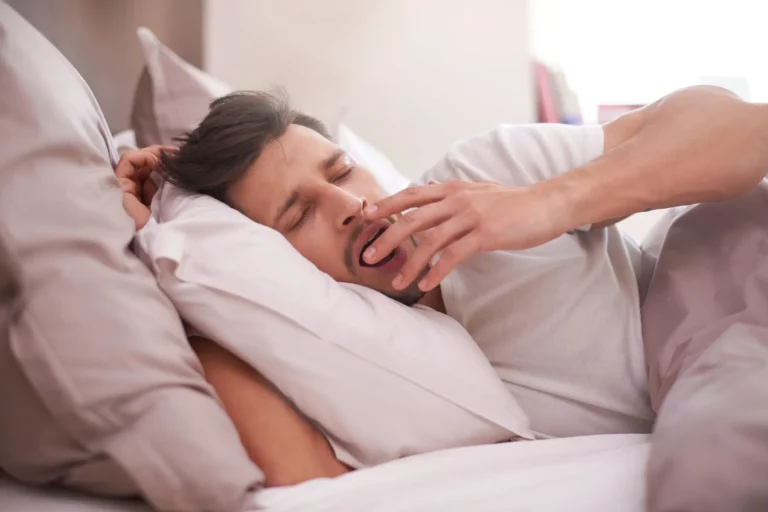

How to Stop Bruxism: Causes and Solutions
Teeth grinding, also known as bruxism, is a common condition that many people experience without even realising it. It often occurs during sleep, but it can also happen during the day, especially in moments of stress or concentration.
Although it may seem harmless at first, bruxism can have serious consequences for your teeth, jaw, and overall wellbeing if left untreated.
At Serenity Dental Clinic in Dubai, we frequently see patients who come in with symptoms such as jaw pain, headaches, or worn teeth—only to discover that teeth grinding is the underlying cause.
In this article, we will explore:
- What bruxism is and why it happens
- The most common signs and symptoms
- The risks of leaving it untreated
- How to stop bruxism safely and effectively
- The treatments available to protect your smile and improve your quality of life
Understanding the causes and solutions is the first step toward protecting your oral health and restoring comfort.
What is bruxism and why do people grind their teeth?
Bruxism is the involuntary grinding, clenching, or tightening of the teeth. It can occur during the day (awake bruxism) or at night (sleep bruxism).
Many patients are unaware they grind their teeth until symptoms appear or a dentist identifies the signs during a check-up.
The causes of bruxism are often multifactorial and may include:
- Stress and anxiety
Emotional tension is one of the most common triggers, especially for daytime clenching. - Sleep disorders
Conditions such as disrupted sleep patterns or airway issues can contribute to nighttime grinding. - Bite misalignment
When teeth do not fit together properly, the jaw may compensate through grinding. - Neuromuscular factors
The way muscles function and coordinate can influence clenching habits. - Lifestyle habits
Caffeine, smoking, and poor sleep hygiene may increase the likelihood of bruxism.
At Serenity Dental Clinic, we look beyond the surface and investigate the root cause. Bruxism is often a sign that something in the system—whether muscular, structural, or related to sleep—is not functioning optimally.
👉 Learn more about airway and neuromuscular dentistry solutions
What are the symptoms of teeth grinding?
Bruxism can present with a wide range of symptoms, some of which may seem unrelated at first.
Common signs include:
- Jaw pain or tightness, especially in the morning
- Headaches, particularly around the temples
- Tooth wear or flattening
- Increased tooth sensitivity
- Clicking or discomfort in the jaw joint (TMJ)
- Disturbed sleep or fatigue
- Ear pain without infection
In more advanced cases, patients may experience:
- Cracked or chipped teeth
- Gum recession
- Difficulty opening or closing the mouth comfortably
Because many of these symptoms develop gradually, they are often overlooked.
At Serenity Dental Clinic in Dubai, we use advanced diagnostics to identify early signs of bruxism before significant damage occurs. Early intervention can make a significant difference in preventing long-term complications.
👉 Discover how we diagnose bruxism early and accurately
Why is bruxism harmful to your oral and general health?
Teeth are strong, but they are not designed to withstand constant grinding or excessive pressure.
Over time, bruxism can lead to:
- Tooth damage
Enamel wears down, increasing the risk of decay and fractures. - Jaw disorders (TMJ issues)
Continuous strain on the jaw joint can lead to pain, clicking, or limited movement. - Muscle fatigue and pain
The muscles involved in chewing can become overworked and sore. - Sleep disruption
Bruxism can interfere with deep, restorative sleep. - Head and neck pain
Tension can radiate to surrounding areas, affecting overall comfort.
In some cases, bruxism is also linked to airway issues such as sleep-disordered breathing.
At Serenity Dental Clinic, we take a comprehensive approach, recognising that bruxism is not just a dental issue but a condition that can affect overall health and quality of life.
👉 Read more about protecting your teeth and jaw health
How to stop bruxism safely and effectively?
Understanding how to stop bruxism starts with identifying its cause.
There is no single solution that works for everyone. Instead, effective management involves a personalised approach.
Some key strategies include:
- Addressing stress and lifestyle factors
Relaxation techniques, improved sleep habits, and stress management can help reduce daytime clenching. - Improving sleep quality
Identifying and managing sleep-related issues can reduce nighttime grinding. - Correcting bite issues
In some cases, adjusting how the teeth meet can relieve pressure on the jaw. - Supporting muscle function
Exercises and therapies can help retrain muscle patterns.
It is important to avoid DIY solutions or over-the-counter devices that are not tailored to your specific condition.
At Serenity Dental Clinic in Dubai, we create personalised treatment plans based on a thorough evaluation of your teeth, jaw, and airway.
👉 Find out how we help you stop bruxism safely
Can a night guard help with teeth grinding?
A night guard is one of the most commonly recommended solutions for bruxism.
It is a custom-made device worn during sleep to:
- Protect teeth from wear
- Reduce pressure on the jaw
- Improve comfort
However, it is important to understand that a night guard does not stop bruxism itself. Instead, it acts as a protective barrier.
Custom night guards provided at Serenity Dental Clinic are designed to:
- Fit precisely
- Support proper jaw positioning
- Improve comfort during sleep
Unlike generic options, professionally made appliances are tailored to your bite and needs.
In some cases, night guards are part of a broader treatment plan that may include:
- Airway evaluation
- Orthodontic treatment
- Myofunctional therapy
👉 Learn more about custom night guards and their benefits
What role does airway dentistry play in bruxism?
Recent research has shown a strong connection between bruxism and airway issues.
When breathing is compromised during sleep, the body may respond by:
- Activating jaw muscles
- Moving the jaw forward
- Grinding teeth to open the airway
This means that in some patients, bruxism is not the primary problem but a response to breathing difficulties.
At Serenity Dental Clinic in Dubai, airway dentistry is a key part of our approach.
We assess:
- Breathing patterns
- Tongue position
- Jaw alignment
- Sleep quality
By addressing airway issues, it is often possible to reduce or even eliminate the triggers of bruxism.
This holistic perspective allows us to go beyond symptom management and target the root cause.
👉 Explore how airway-focused treatments can improve your sleep and health
What treatments are available for bruxism?
Treatment for bruxism varies depending on the underlying cause and severity.
At Serenity Dental Clinic, options may include:
- Custom night guards
To protect teeth and reduce strain. - Orthodontic solutions
To improve alignment and bite. - Myofunctional therapy
To retrain muscle function and breathing patterns. - Airway treatments
To address sleep-related breathing issues. - Restorative dentistry
To repair damaged teeth and restore function.
Each treatment plan is tailored to the individual, ensuring that both symptoms and causes are addressed.
The goal is not only to stop damage but to restore balance and comfort.
👉 Discover personalised treatments for bruxism
Can stress and anxiety make bruxism worse?
Stress and anxiety are among the most significant contributing factors to bruxism, particularly in cases of awake teeth grinding.
When the body is under stress, it often responds with increased muscle tension. This tension can manifest in different ways, including clenching the jaw or grinding the teeth—sometimes without conscious awareness.
Many patients notice that their symptoms worsen during:
- Busy or demanding periods at work
- Emotional stress or anxiety
- Poor sleep or fatigue
- Long hours of concentration
In these situations, the jaw muscles may remain in a constant state of contraction, leading to discomfort and long-term strain.
Nighttime bruxism can also be influenced by stress, although it is often combined with other factors such as sleep quality and airway function.
At Serenity Dental Clinic in Dubai, we recognise the strong connection between emotional wellbeing and oral health. While dental treatments can protect the teeth and support the jaw, managing stress is also an important part of the solution.
Simple strategies may include:
- Improving sleep routines
- Reducing caffeine intake
- Practising relaxation techniques
- Becoming more aware of daytime clenching habits
A comprehensive approach that considers both physical and emotional factors is key to effectively managing bruxism.
👉 Learn how we take a holistic approach to managing teeth grinding
How can you prevent teeth grinding in the long term?
Preventing bruxism in the long term requires a combination of awareness, professional care, and lifestyle adjustments.
While treatment can address existing damage or symptoms, prevention focuses on maintaining balance in the system.
Some important preventive measures include:
- Regular dental check-ups
Early signs of grinding can be detected and managed before they become severe. - Maintaining good sleep hygiene
Consistent sleep patterns and a calm bedtime routine can reduce nighttime grinding. - Monitoring jaw habits
Becoming aware of clenching during the day and consciously relaxing the jaw can make a significant difference. - Supporting proper breathing
Nasal breathing and airway health play a crucial role in reducing bruxism triggers. - Following personalised dental advice
Using custom devices or therapies as recommended by your dentist helps maintain results over time.
At Serenity Dental Clinic, prevention is a core part of our philosophy. We aim not only to treat bruxism but to help patients maintain long-term oral health and comfort.
By combining advanced diagnostics with patient education, we empower you to protect your smile and overall wellbeing.
👉 Discover how we help you maintain long-term oral health and prevent bruxism
Conclusion on how to stop bruxism
Understanding how to stop bruxism requires more than simply addressing the symptoms. Teeth grinding is often a sign of deeper issues involving stress, bite, or airway health.
Early diagnosis and a personalised treatment approach are essential to prevent long-term damage and improve quality of life.
At Serenity Dental Clinic in Dubai, we combine advanced technology with a patient-centred approach to provide safe, effective solutions for bruxism.
If you are experiencing symptoms such as jaw pain, headaches, or worn teeth, the best step is a professional evaluation.
Contact the clinic to learn more and take the first step toward a healthier, more comfortable smile.
Visit us at Serenity Dental Clinic
2202, 22nd floor, Control Tower, Motor City, Dubai