
What Is Sleep Apnea: Symptoms and Treatment
Sleep is essential for physical and mental health, yet many people wake up feeling tired, unrested, or even exhausted despite spending enough hours in bed. One of the most common—and often undiagnosed—reasons behind poor sleep quality is sleep apnea.
Sleep apnea is more than just snoring. It is a condition that affects breathing during sleep and can have significant consequences for both oral health and overall wellbeing.
At Serenity Dental Clinic in Dubai, we frequently help patients who experience symptoms such as fatigue, headaches, or teeth grinding—only to discover that sleep apnea is part of the underlying issue.
In this article, we will explore:
- What sleep apnea is and how it affects the body
- The most common symptoms and warning signs
- The potential health risks if left untreated
- The connection between sleep apnea and oral health
- The available treatment options
Understanding this condition is the first step toward improving your sleep, your health, and your quality of life.
What is sleep apnea and how does it affect breathing?
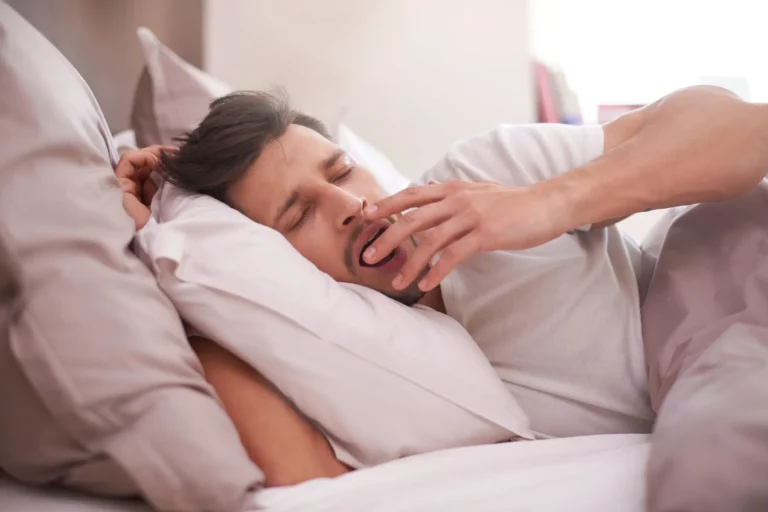
Sleep apnea is a condition in which breathing repeatedly stops and starts during sleep. These interruptions, called apneas, can last from a few seconds to longer periods and may occur multiple times throughout the night.
The most common type is obstructive sleep apnea (OSA), which occurs when the airway becomes partially or completely blocked during sleep.
This blockage can be caused by:
- Relaxation of throat muscles
- The position of the tongue
- Structural factors such as jaw alignment
- Narrow airways
When breathing stops, oxygen levels in the blood can decrease. The brain then briefly wakes the body to restore breathing, often without the person being aware of it.
As a result:
- Sleep becomes fragmented
- Deep, restorative sleep is disrupted
- The body does not fully recover overnight
At Serenity Dental Clinic, we evaluate how the teeth, jaw, and airway interact. This helps us understand how breathing patterns during sleep may be contributing to symptoms.
👉 Learn more about airway-focused dental assessments
What are the common symptoms of sleep apnea?
Sleep apnea often goes unnoticed because it occurs during sleep. However, there are several signs that may indicate its presence.
Common symptoms include:
- Loud or persistent snoring
- Episodes of stopped breathing during sleep (often noticed by a partner)
- Gasping or choking during the night
- Waking up with a dry mouth or sore throat
- Morning headaches
- Daytime fatigue or sleepiness
- Difficulty concentrating
Other signs may include:
- Irritability or mood changes
- Teeth grinding (bruxism)
- Jaw discomfort
- Frequent waking during the night
Because these symptoms can be subtle or attributed to other causes, many patients remain undiagnosed.
At Serenity Dental Clinic in Dubai, we pay close attention to these signs during routine examinations, especially when combined with oral indicators such as tooth wear or jaw tension.
👉 Discover how we identify signs of sleep-related conditions
Why is sleep apnea a serious health condition?
Sleep apnea is not just a sleep issue—it can have significant effects on overall health.
Repeated interruptions in breathing can lead to:
- Reduced oxygen levels
- Increased stress on the cardiovascular system
- Poor sleep quality over time
If left untreated, sleep apnea has been associated with:
- Cardiovascular problems
Including high blood pressure and increased strain on the heart. - Chronic fatigue
Affecting daily performance and quality of life. - Metabolic issues
Such as difficulty regulating blood sugar. - Cognitive effects
Including memory and concentration difficulties.
From a dental perspective, sleep apnea can also contribute to:
- Teeth grinding
- Jaw joint disorders (TMJ)
- Dry mouth and increased risk of decay
At Serenity Dental Clinic, we take a multidisciplinary approach, recognising that oral health and general health are closely connected.
👉 Read more about the impact of sleep apnea on your health
Can a dentist help diagnose sleep apnea?
Many patients are surprised to learn that dentists can play an important role in identifying sleep apnea.
During a dental examination, signs that may indicate sleep apnea include:
- Tooth wear from grinding
- Jaw tension or TMJ issues
- Enlarged tongue or restricted airway space
- Patterns of mouth breathing
At Serenity Dental Clinic in Dubai, we use advanced diagnostic tools such as:
- 3D scans
- Digital imaging
- Comprehensive oral assessments
While a formal diagnosis of sleep apnea is typically made through a sleep study, dentists are often the first to recognise the warning signs.
Early identification allows patients to seek appropriate care sooner, reducing the risk of complications.
👉 Learn how dental evaluations can support sleep health
What treatment options are available for sleep apnea?
Treatment for sleep apnea depends on the severity of the condition and the underlying causes.
Common options include:
- Lifestyle changes
Such as improving sleep habits or managing weight. - Continuous Positive Airway Pressure (CPAP)
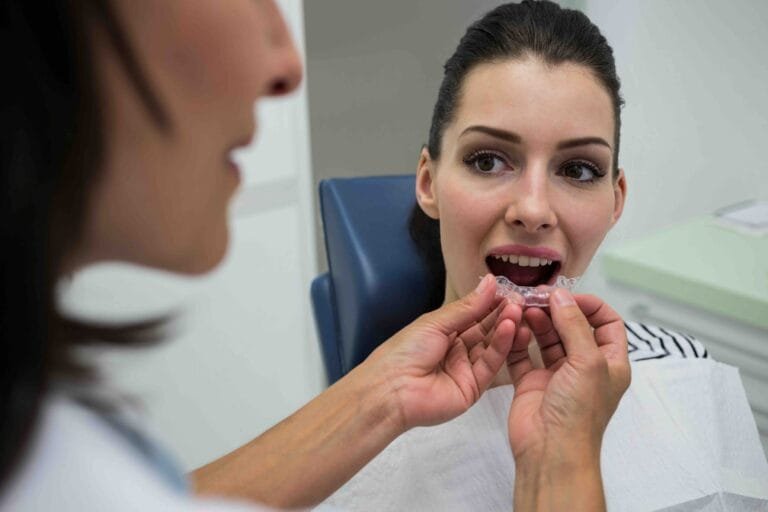
A device that keeps the airway open during sleep. - Custom oral appliances
Devices designed to reposition the jaw and improve airflow. - Orthodontic or airway treatments
To address structural causes of airway restriction.
At Serenity Dental Clinic, oral appliances are a key part of our approach for suitable patients. These devices are:
- Custom-made
- Comfortable to wear
- Designed to support the airway
Treatment plans are always personalised to ensure safety and effectiveness.
👉 Explore treatment options tailored to your needs
How is sleep apnea connected to teeth grinding and jaw pain?
There is a strong link between sleep apnea and bruxism (teeth grinding).
When the airway becomes restricted during sleep, the body may respond by:
- Activating jaw muscles
- Moving the jaw forward
- Grinding teeth to reopen the airway
This means that bruxism is sometimes a protective response rather than a primary issue.
As a result, patients may experience:
- Jaw pain or tightness
- Tooth wear
- Headaches
At Serenity Dental Clinic in Dubai, we evaluate both conditions together. Treating the airway issue can often reduce or eliminate grinding.
This integrated approach ensures that treatment addresses the root cause rather than just the symptoms.
👉 Discover how we treat bruxism and airway issues together
What are the risk factors for developing sleep apnea?
Certain factors can increase the likelihood of developing sleep apnea.
These include:
- Anatomical features such as a narrow airway
- Jaw positioning
- Enlarged tonsils or soft tissues
- Mouth breathing habits
Lifestyle and health-related factors may also contribute:
- Poor sleep quality
- Chronic nasal obstruction
- Muscle tone changes
It is important to understand that sleep apnea can affect individuals of all ages, including children.
At Serenity Dental Clinic, we assess both structural and functional aspects to identify risk factors early and guide patients toward appropriate care.
👉 Learn how we assess your risk for sleep apnea
Can sleep apnea be prevented or improved over time?
While not all cases of sleep apnea can be completely prevented, many can be improved with the right approach.
Preventive and supportive strategies include:
- Maintaining good sleep habits
- Encouraging nasal breathing
- Addressing early signs in children
- Following professional recommendations
In some cases, early intervention—especially in younger patients—can support proper development of the airway and reduce the likelihood of future issues.
At Serenity Dental Clinic in Dubai, prevention is a key part of our philosophy. By identifying risk factors early, we aim to support long-term health and wellbeing.
👉 Find out how we support long-term airway health
How does sleep apnea affect daily life and energy levels?
Sleep apnea does not only affect what happens during the night—it has a significant impact on how you feel and function during the day.
Because sleep is repeatedly interrupted, the body is unable to reach the deeper stages of rest that are essential for recovery. Even if you spend enough hours in bed, the quality of sleep is compromised.
This can lead to:
- Persistent fatigue
Feeling tired even after a full night’s sleep. - Reduced concentration
Difficulty focusing on work, studies, or daily tasks. - Memory issues
Trouble retaining information or staying mentally sharp. - Mood changes
Increased irritability, stress, or low mood. - Lower productivity
A general sense of reduced performance in daily activities.
Over time, these effects can impact both personal and professional life, making even simple tasks feel more demanding.
At Serenity Dental Clinic in Dubai, we understand that improving sleep quality is not just about health—it is about improving overall quality of life. Addressing sleep apnea can help restore energy, clarity, and balance.
👉 Discover how better breathing can improve your daily wellbeing
Why is early diagnosis of sleep apnea so important?
Early diagnosis of sleep apnea plays a crucial role in preventing complications and improving long-term outcomes.
Because the condition often develops gradually, many patients adapt to symptoms without realising that something is wrong. Snoring, fatigue, or morning headaches may be considered “normal,” delaying proper evaluation.
However, identifying sleep apnea early allows for:
- Timely intervention
Preventing the condition from worsening over time. - Protection of oral health
Reducing the risk of teeth grinding, jaw pain, and enamel wear. - Improved sleep quality
Restoring natural sleep patterns and recovery. - Better overall health outcomes
Reducing strain on the body and supporting long-term wellbeing.
At Serenity Dental Clinic, we prioritise early detection through detailed assessments and patient education.
Recognising the signs early makes treatment more effective and helps avoid more complex issues in the future.
👉 Learn how early diagnosis can make a difference in your health
Conclusion on what is sleep apnea
Understanding what is sleep apnea is essential for recognising its impact on both sleep quality and overall health.
From disrupted breathing to long-term health risks, sleep apnea is a condition that should not be ignored. Early diagnosis and personalised treatment can make a significant difference in improving quality of life.
At Serenity Dental Clinic in Dubai, we combine advanced diagnostics with a patient-centred approach to help you breathe better, sleep better, and live better.
If you suspect you may have symptoms of sleep apnea, the best step is a professional evaluation.
Contact the clinic to learn more and begin your journey toward healthier sleep and improved wellbeing.
Visit us at Serenity Dental Clinic
2202, 22nd floor, Control Tower, Motor City, Dubai