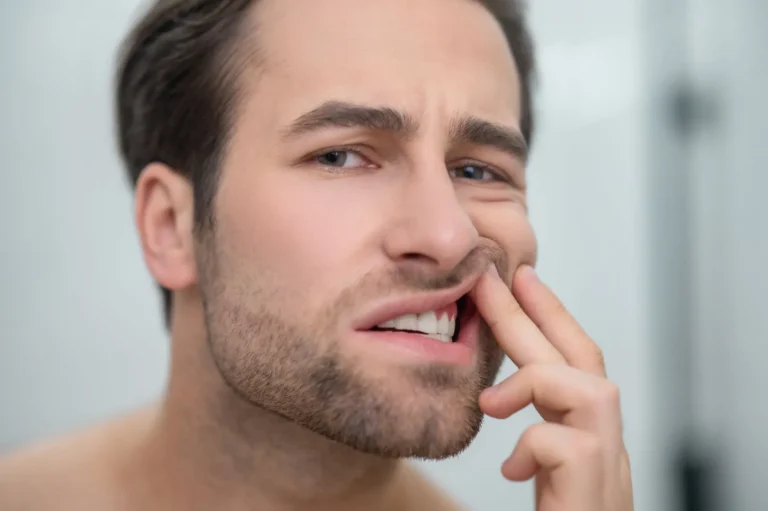
In recent years, Mouth Taping for Sleep has become a popular trend on social media and wellness platforms. Many people claim that placing a small piece of tape over the lips before going to bed encourages nasal breathing, reduces snoring, and improves sleep quality. While these claims may sound appealing, the reality is far more complex.
Breathing patterns during sleep are influenced by many factors, including the airway, jaw position, nasal passages, muscle function, and overall health. What appears to be a simple solution for one person may be ineffective—or even inappropriate—for another.
At Serenity Dental Clinic in Dubai, airway dentistry is approached from a comprehensive perspective. Rather than relying on trends or one-size-fits-all solutions, the focus is on understanding why breathing problems occur and identifying the most appropriate treatment for each individual patient.

What Is Mouth Taping for Sleep?
Mouth Taping for Sleep involves placing a specially designed adhesive tape across the lips before bedtime to encourage breathing through the nose rather than the mouth.
The idea behind this practice is based on the fact that nasal breathing offers several physiological advantages. The nose naturally filters, warms, and humidifies the air before it reaches the lungs. It also contributes to better airway function and supports normal breathing patterns during sleep.
Advocates of mouth taping suggest it may help:
- encourage nasal breathing;
- reduce mouth breathing during sleep;
- decrease dry mouth upon waking;
- lessen mild snoring in some individuals;
- improve overall sleep comfort.
However, these potential benefits do not mean the technique is suitable for everyone.
Mouth breathing is often not the primary problem but rather a consequence of another underlying condition. Nasal congestion, enlarged tonsils, airway obstruction, jaw position, or sleep-disordered breathing may all contribute to breathing through the mouth at night.
Simply taping the lips closed does not address these underlying causes.
Does Mouth Taping for Sleep Really Work for Snoring?
One of the most common questions patients ask is whether Mouth Taping for Sleep can actually stop snoring.
The answer depends entirely on why the snoring occurs.
For individuals whose snoring is mainly related to habitual mouth breathing without any significant airway obstruction, encouraging nasal breathing may provide some improvement.
However, snoring can also be associated with:
- obstructive sleep apnea;
- airway narrowing;
- jaw positioning;
- excess soft tissue in the throat;
- nasal obstruction;
- obesity;
- muscle relaxation during sleep.
In these situations, mouth taping alone is unlikely to resolve the problem.
If snoring is loud, persistent, or accompanied by pauses in breathing, daytime fatigue, or morning headaches, a professional assessment is strongly recommended before trying home remedies.
Treating the symptom without understanding its cause may delay appropriate diagnosis and management.
Is Mouth Taping Safe for Everyone?
Although Mouth Taping for Sleep is widely discussed online, it should not be considered universally safe.
People experiencing nasal blockage may find it difficult—or impossible—to breathe comfortably through the nose during sleep. Closing the mouth in these situations may create discomfort rather than improve breathing.
Extra caution is needed for individuals who:
- have suspected or diagnosed sleep apnea;
- experience frequent nasal congestion;
- have chronic sinus conditions;
- suffer from significant breathing difficulties during sleep;
- wake up gasping for air.
For these patients, self-treatment is not advisable.
Professional evaluation helps determine whether mouth breathing is simply a habit or a sign of a more significant airway issue requiring appropriate management.
Why Is Mouth Breathing During Sleep a Concern?
Habitual mouth breathing is more than a nighttime inconvenience.
Over time, it may contribute to several oral and general health concerns, including:
- dry mouth;
- increased plaque accumulation;
- higher risk of tooth decay;
- gum inflammation;
- bad breath;
- poor-quality sleep.
In children, prolonged mouth breathing may also influence facial growth, jaw development, and dental alignment.
Adults may experience increased muscle tension, snoring, fatigue, and discomfort related to jaw function.
Rather than focusing solely on stopping mouth breathing, it is important to understand why it occurs.
Addressing the underlying cause often leads to more meaningful and lasting improvements.
How Can Airway Dentistry Help?
Airway dentistry focuses on the relationship between breathing, oral structures, jaw position, and sleep quality.
Instead of treating only the visible symptoms, the objective is to identify the factors contributing to breathing difficulties.
A comprehensive evaluation may include:
- assessment of breathing habits;
- examination of the jaws and bite;
- digital scans when indicated;
- evaluation of temporomandibular joint (TMJ) function;
- assessment of oral tissues and tongue posture;
- collaboration with other healthcare professionals when appropriate.
At Serenity Dental Clinic, airway assessments are integrated into a patient-centred approach that considers both oral health and overall wellbeing.
Every treatment plan is tailored to the individual’s needs rather than following generic recommendations found online.
Should You Avoid DIY Solutions for Snoring?
The popularity of wellness trends has made it easy to find countless home remedies for snoring.
While some techniques may appear harmless, it is important to remember that snoring is a symptom, not a diagnosis.
Purchasing products online or following social media advice without understanding the cause of the problem may not provide meaningful improvement.
More importantly, self-treatment could delay the diagnosis of conditions such as obstructive sleep apnea, which requires proper clinical evaluation.
If snoring is persistent or accompanied by daytime sleepiness, interrupted sleep, headaches, or witnessed pauses in breathing, professional assessment is the safest approach.
Understanding the reason behind the symptom allows treatment to be based on evidence rather than assumptions.
Mouth Taping for Sleep: Understanding Whether It Is Right for You
Mouth Taping for Sleep has attracted significant attention as a potential solution for snoring and mouth breathing, but it is not a universal answer. While some individuals may experience benefits, others may have underlying airway conditions that require a completely different approach.
The key is not simply to stop mouth breathing but to understand why it occurs in the first place.
At Serenity Dental Clinic in Dubai, airway health is evaluated through a comprehensive and empathetic approach that considers breathing, jaw function, sleep quality, and oral health together. By identifying the underlying cause of your symptoms, it becomes possible to recommend the most appropriate pathway for your individual needs.
Visit us at Serenity Dental Clinic
2202, 22nd floor, Control Tower, Motor City, Dubai