Many people think of teeth grinding, also known as bruxism, as a condition caused only by stress or anxiety. While emotional factors can certainly contribute, research has shown that nighttime teeth grinding may sometimes be associated with sleep-disordered breathing, including obstructive sleep apnea.
Understanding the relationship between Teeth Grinding and sleep apnea is important because treating the grinding alone may not address the underlying cause. In some patients, bruxism can actually be the body’s response to repeated interruptions in breathing during sleep.
At Serenity Dental Clinic in Dubai, airway dentistry considers the connection between breathing, jaw function, sleep quality, and oral health to help patients better understand the factors contributing to their symptoms.

What Is Teeth Grinding and Why Does It Happen?
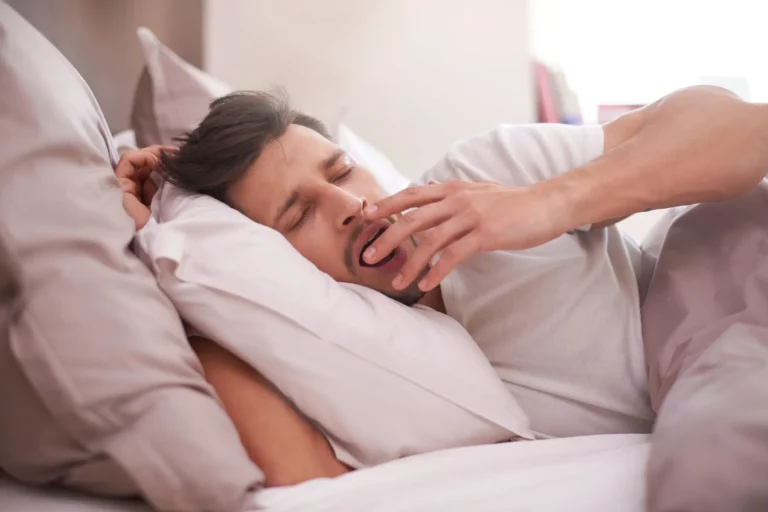
Teeth grinding, or bruxism, refers to the involuntary clenching or grinding of the teeth, most commonly during sleep.
Many people are unaware they grind their teeth until a partner hears the noise or a dentist notices signs of excessive tooth wear during a routine examination.
Several factors may contribute to bruxism, including:
- emotional stress;
- anxiety;
- sleep disturbances;
- certain medications;
- bite irregularities;
- airway-related conditions.
In many cases, there is not a single cause but rather a combination of contributing factors.
Because teeth grinding often occurs unconsciously during sleep, patients may only notice its effects rather than the grinding itself.
Can Teeth Grinding Be a Sign of Sleep Apnea?
One of the most frequently asked questions is whether Teeth Grinding and sleep apnea are connected.
Research suggests that in some patients, episodes of teeth grinding occur shortly after brief interruptions in breathing caused by obstructive sleep apnea.
During these breathing pauses, the brain briefly wakes the body to reopen the airway. This process may activate the jaw muscles, leading to clenching or grinding.
Although not every person with bruxism has sleep apnea, the two conditions may occur together.
The possibility of an association becomes more significant when teeth grinding is accompanied by symptoms such as:
- loud snoring;
- witnessed pauses in breathing;
- excessive daytime sleepiness;
- morning headaches;
- waking with a dry mouth;
- poor sleep quality.
When several of these symptoms are present, further evaluation may be appropriate to better understand the underlying cause.
What Are the Signs That Teeth Grinding May Be Affecting Your Oral Health?
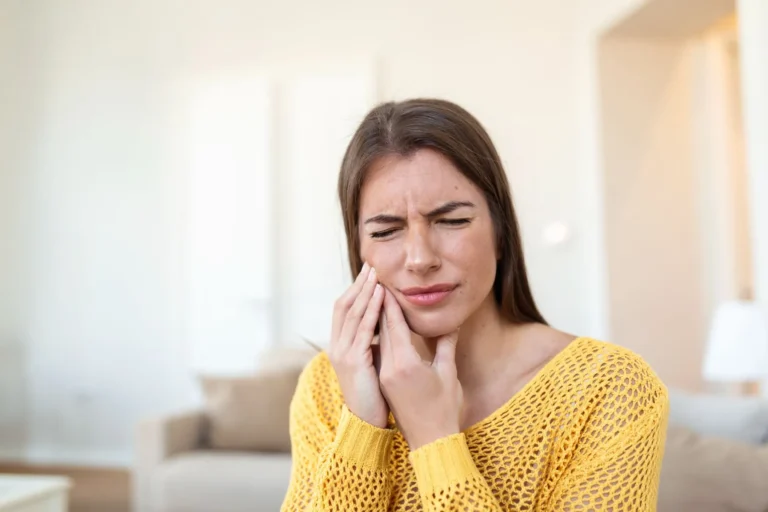
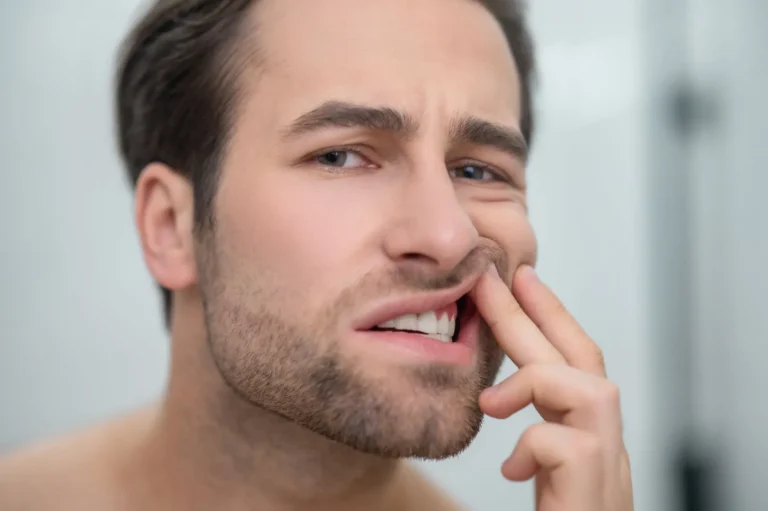
Persistent teeth grinding can place excessive pressure on the teeth, muscles, and jaw joints.
Common signs include:
- worn or flattened teeth;
- chipped or cracked enamel;
- increased tooth sensitivity;
- jaw pain upon waking;
- headaches;
- facial muscle fatigue;
- clicking or discomfort in the temporomandibular joints (TMJ).
Some patients also notice that dental restorations wear down more quickly because of repeated grinding forces.
Since many of these symptoms develop gradually, they are often overlooked until significant tooth wear has already occurred.
Early assessment allows these problems to be identified before more extensive damage develops.
Why Is It Important to Evaluate Breathing as Well as Teeth?
When bruxism is related to airway problems, simply protecting the teeth may not fully address the condition.
Airway dentistry focuses on identifying whether breathing disturbances contribute to muscle activity during sleep.
A comprehensive evaluation may include:
- assessment of breathing patterns;
- examination of the bite and jaw function;
- evaluation of tongue posture;
- digital imaging when indicated;
- review of sleep-related symptoms;
- collaboration with sleep medicine professionals when appropriate.
Understanding the relationship between oral structures and breathing helps build a more complete picture of the patient’s overall health.
This multidisciplinary approach allows treatment decisions to be based on the underlying cause rather than solely on the visible symptoms.
Can Teeth Grinding Be Treated Without Understanding the Cause?
Many people purchase over-the-counter mouthguards hoping they will solve the problem.
Although these products may reduce direct tooth wear in some situations, they do not identify why the grinding is occurring.
For patients whose bruxism is associated with sleep apnea, focusing only on protecting the teeth may leave the breathing disorder untreated.
Likewise, attempting self-treatment without professional evaluation may delay the diagnosis of conditions requiring a more comprehensive approach.
Every patient presents unique characteristics, which is why treatment should always begin with a careful clinical assessment rather than assumptions based on symptoms alone.
How Can Airway Dentistry Help Patients With Teeth Grinding?
Airway dentistry considers the interaction between breathing, jaw position, muscle activity, and oral health.
Rather than treating bruxism as an isolated problem, this approach evaluates the factors that may contribute to excessive jaw muscle activity during sleep.
At Serenity Dental Clinic, assessments may include evaluation of:
- breathing habits;
- jaw alignment;
- temporomandibular joint (TMJ) function;
- oral tissues;
- digital scans and clinical records when appropriate.
If airway-related concerns are suspected, collaboration with other healthcare professionals may also form part of the diagnostic process.
The objective is to create an individualized treatment pathway that supports both oral health and overall wellbeing.
Teeth Grinding and sleep apnea: Why Professional Assessment Matters
The relationship between Teeth Grinding and sleep apnea is more complex than many people realize. While stress remains a common cause of bruxism, nighttime teeth grinding may sometimes be linked to breathing disturbances that occur during sleep.
Recognizing this possible connection allows patients to move beyond simply managing the symptoms and toward understanding their underlying cause.
At Serenity Dental Clinic in Dubai, airway dentistry takes a comprehensive and patient-centred approach, evaluating breathing, jaw function, and oral health together to help identify the most appropriate management plan for each individual.
Visit us at Serenity Dental Clinic
2202, 22nd floor, Control Tower, Motor City, Dubai