Noticing blood in the sink after brushing can be unsettling, particularly when it happens repeatedly. Although bleeding gums when brushing are relatively common, they should not automatically be considered normal. Gum inflammation is one possible explanation, but the causes can vary depending on oral hygiene habits and individual health conditions. At Serenity Dental Clinic in Dubai, professional dental hygiene includes assessment of gum health and preventive care. Understanding why bleeding occurs can help patients recognise when changes to their daily routine or a professional examination may be necessary.

Why do gums bleed during brushing?
Healthy gum tissues do not usually bleed during gentle brushing. One common cause is inflammation associated with the accumulation of dental plaque along the gumline. When bacterial deposits remain undisturbed, they can trigger an inflammatory response that makes the tissues more sensitive and more likely to bleed.
However, not every episode of bleeding indicates gum disease. Brushing too aggressively, using an unsuitable toothbrush or injuring the gums during cleaning can also cause bleeding. Certain medications and medical conditions may increase the tendency to bleed. The frequency, duration and accompanying symptoms help determine whether further evaluation is appropriate.
Can bleeding gums when brushing be a sign of gingivitis?
One of the most frequent explanations for bleeding gums when brushing is gingivitis, an inflammatory condition commonly associated with bacterial plaque. The gums may appear red, swollen or tender, although some patients notice little discomfort. Bleeding can occur during brushing, flossing or other forms of interdental cleaning.
Gingivitis affects the soft gum tissues without the supporting bone loss associated with more advanced periodontal disease. When caused by plaque accumulation, inflammation can often improve with effective plaque control and professional care. Persistent bleeding should nevertheless be assessed, because symptoms alone cannot reliably establish the extent of periodontal involvement.
How can you tell whether bleeding gums indicate a more serious problem?
Occasional bleeding caused by minor irritation may resolve once the triggering factor is addressed. However, repeated bleeding, persistent swelling or changes in gum appearance deserve attention. Some periodontal conditions progress gradually and may not cause significant pain during their early stages.
Warning signs that may accompany gum disease include:
- Persistent bleeding: Recurrent bleeding during gentle brushing or interdental cleaning.
- Swollen or tender gums: Changes in gum contour, colour or sensitivity.
- Gum recession: Teeth appearing longer because the gum margin has moved.
- Persistent bad breath: An ongoing problem that may be associated with bacterial accumulation.
- Loose teeth: Changes in tooth stability that require professional evaluation.
These symptoms may occur in periodontitis, a condition involving inflammation and damage to the tissues supporting the teeth. However, a diagnosis cannot be established from symptoms alone. A periodontal examination is necessary to distinguish between different causes and determine whether bone loss or other complications are present.
Should you stop brushing if your gums bleed?
Stopping oral hygiene because of bleeding may allow bacterial deposits to accumulate further, potentially worsening plaque-related inflammation. Patients should generally continue cleaning their teeth gently while avoiding excessive pressure or traumatic brushing techniques. A soft-bristled toothbrush and careful technique can help reduce unnecessary irritation.
Cleaning between the teeth is also important, because toothbrush bristles cannot effectively reach every interdental surface. Appropriate interdental cleaning may involve floss or correctly sized brushes, depending on the spaces between teeth and gum condition. If bleeding is persistent, heavy or unexplained, professional advice is necessary rather than relying solely on changes to brushing habits.
How do dentists investigate persistent gum bleeding?
A dental assessment usually begins with a review of symptoms, medical history, medications and oral hygiene practices. The clinician examines the gums for inflammation, plaque deposits and other changes. Hardened dental calculus may also be present, particularly around areas that are difficult to clean effectively at home.
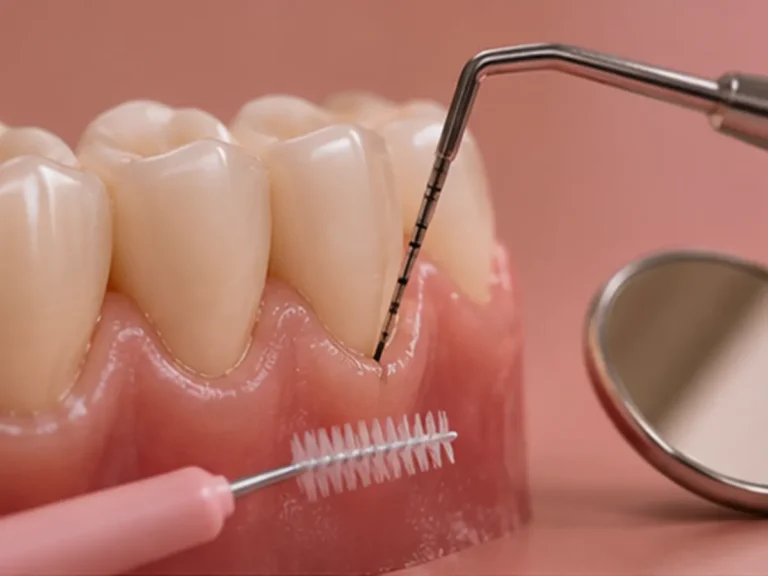
When periodontal disease is suspected, periodontal probing helps measure the spaces between teeth and gums. Measurements are considered alongside bleeding, gum recession and other clinical findings. Additional investigations, including dental X-rays, may be recommended when indicated to assess supporting structures and determine whether further periodontal treatment is necessary.
At Serenity Dental Clinic, preventive dental care includes gum assessments supported by diagnostic technology. Patients with more complex periodontal concerns can also be evaluated within the clinic’s periodontal services, allowing recommendations to reflect their clinical needs.
What treatments may help manage bleeding gums?
Treatment depends on the cause of the bleeding and the condition of the surrounding tissues. For plaque-related inflammation, improvements in daily cleaning and professional scaling may help remove deposits that contribute to gum irritation. Hardened calculus requires professional instruments, as it cannot be effectively removed through ordinary brushing.
For patients with established periodontal disease, treatment may involve more detailed cleaning below the gumline and other clinically appropriate procedures. The purpose of periodontal treatment is to manage inflammation and address factors contributing to tissue damage. Treatment requirements vary, and not every patient with bleeding gums needs complex periodontal procedures.
Can bleeding gums return after professional cleaning?
Professional cleaning can remove bacterial deposits and hardened calculus, but it does not prevent new plaque from forming. Daily oral hygiene remains essential, particularly around the gumline and between teeth. Consistent plaque control helps maintain the improvements achieved through professional treatment.
Patients with a history of periodontitis may also require periodontal maintenance to monitor disease stability and manage recurring deposits. The frequency of appointments depends on individual risk factors, oral hygiene effectiveness and clinical findings. Maintaining healthy gums therefore involves ongoing prevention rather than relying on a single cleaning session.
Bleeding gums when brushing: Why early assessment matters
Bleeding gums when brushing may result from temporary irritation, plaque-related inflammation or periodontal disease. Although occasional bleeding is not always a sign of a serious condition, repeated episodes should not be ignored. Recognising associated symptoms and maintaining appropriate oral hygiene can help patients understand when professional evaluation is necessary.
At Serenity Dental Clinic, preventive hygiene and periodontal assessment are approached through individual clinical evaluation, professional cleaning techniques and personalised oral health guidance. Identifying the underlying cause of bleeding supports appropriate treatment decisions and helps patients maintain healthier gums over time.
Visit us at Serenity Dental Clinic
2202, 22nd floor, Control Tower, Motor City, Dubai