Loud snoring, breathing interruptions and persistent daytime sleepiness may raise concerns about a sleep-related breathing disorder. However, these symptoms alone cannot establish a diagnosis. A sleep study for sleep apnea provides information about breathing patterns and other physiological changes during the night. At Serenity Dental Clinic in Dubai, airway dentistry considers oral structures and jaw function as part of a broader approach to sleep-related concerns. Understanding how sleep tests work can help patients recognise why accurate medical diagnosis is essential before considering treatment options.
When Is a Sleep Study for Sleep Apnea Recommended?
A sleep study may be recommended when symptoms suggest obstructive sleep apnoea, a condition involving repeated narrowing or blockage of the upper airway during sleep. These episodes can disrupt breathing and interfere with sleep quality, sometimes without the individual remembering that they have awakened.
A medical professional considers symptoms, health history and risk factors before determining whether testing is appropriate. Not everyone who snores requires a sleep study, and some people with sleep apnoea do not report particularly loud snoring.
Symptoms that may support further investigation include:
- Persistent snoring: Particularly when accompanied by irregular breathing patterns.
- Witnessed breathing pauses: Episodes noticed by someone sharing the bedroom.
- Gasping during sleep: Sudden breathing efforts or choking sensations at night.
- Excessive daytime sleepiness: Difficulty remaining alert despite adequate time in bed.
- Unrefreshing sleep: Regularly waking without feeling rested.
These signs may have several possible causes. A professional assessment helps determine whether sleep testing is appropriate rather than relying on symptoms alone.
What Happens During a Home Sleep Apnoea Test?
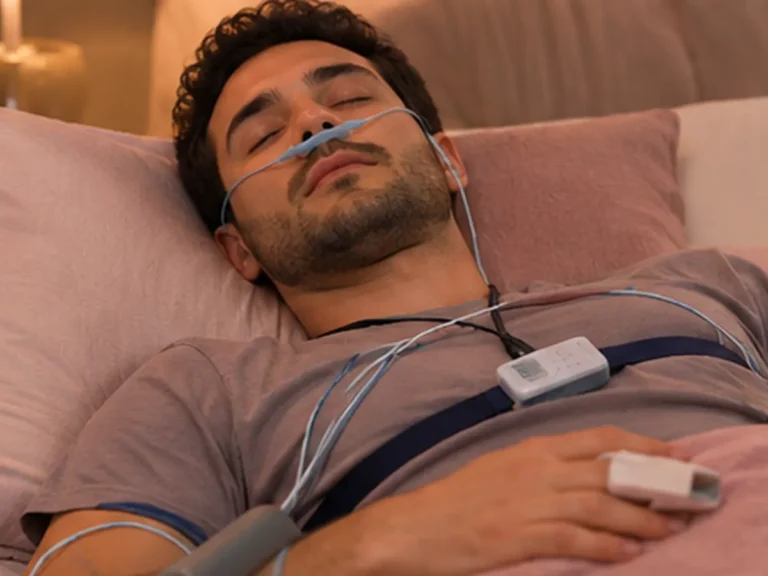
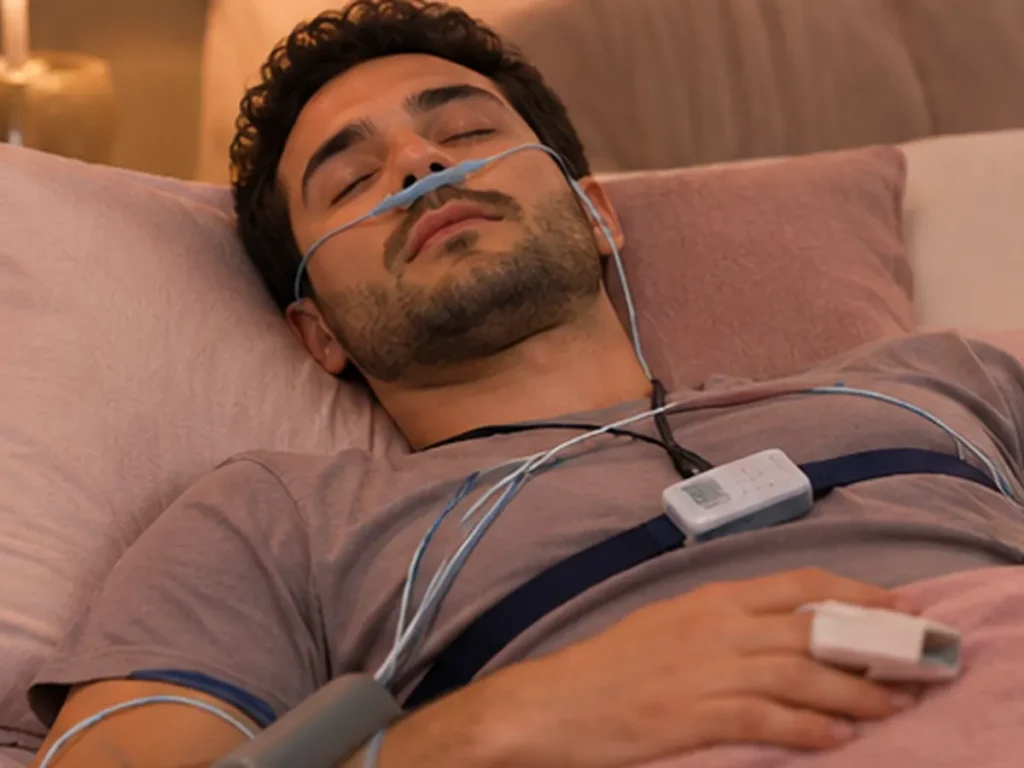
A home sleep apnoea test uses portable monitoring equipment to record breathing-related information while a person sleeps at home. Depending on the device, sensors may measure airflow, respiratory effort, oxygen saturation and other signals. Patients receive instructions about fitting and using the equipment.
Home testing can be suitable for selected adults with suspected obstructive sleep apnoea who do not have certain complicating medical conditions. However, it does not measure every aspect of sleep and may miss or underestimate some breathing disturbances.
If the results are negative, unclear or technically inadequate despite continuing clinical suspicion, a medical professional may recommend laboratory testing. The type of investigation must reflect the patient’s individual circumstances, rather than convenience alone.
How Is Polysomnography Different From Home Sleep Testing?
Polysomnography is a comprehensive sleep investigation generally performed in a dedicated sleep laboratory. Multiple sensors record physiological activity, including breathing, oxygen saturation, heart activity and brain signals associated with different sleep stages. This allows clinicians to evaluate breathing disturbances in relation to sleep itself.
Unlike most home sleep apnoea tests, laboratory polysomnography can distinguish between periods of wakefulness and different stages of sleep. It may also provide information about other sleep disorders when clinically indicated.
Neither investigation is automatically appropriate for every patient. The choice depends on symptoms, medical history and suspected conditions, with the results interpreted by a qualified sleep professional.
What Do the Results of a Sleep Study Mean?
Sleep study reports contain several measurements that help clinicians understand nighttime breathing. One important measure is the apnoea-hypopnoea index, commonly abbreviated to AHI. This reflects the average number of qualifying breathing interruptions per hour of sleep during laboratory testing.
An apnoea involves a pause in airflow meeting defined criteria, while a hypopnoea describes a partial reduction in breathing that fulfils specific testing requirements. These events may be associated with changes in oxygen levels or brief sleep arousals.
Other findings provide additional context:
- Oxygen desaturation: Reductions in blood oxygen saturation associated with breathing disturbances.
- Sleep fragmentation: Repeated interruptions that may affect sleep continuity.
- Breathing event patterns: Information about the frequency and nature of respiratory disturbances.
The AHI is useful but does not describe every aspect of a patient’s condition. Home testing may also calculate breathing events differently because actual sleep time is not always measured. Results require medical interpretation alongside symptoms and other clinical findings.
Can a Dentist Diagnose Sleep Apnoea From an Oral Examination?
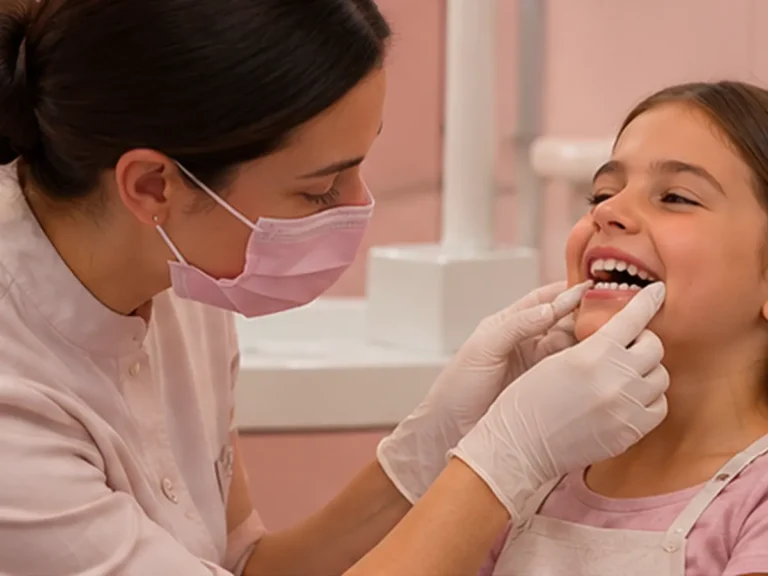
A dental examination may reveal findings relevant to breathing and oral function, including jaw relationships, tooth wear or certain anatomical characteristics. These observations can contribute to identifying concerns that warrant further investigation. However, dental examination and three-dimensional imaging cannot independently establish a diagnosis of sleep apnoea.
At Serenity Dental Clinic, Dr Jocelyne Charest works with TMJ, airway and sleep-related dentistry. The clinic’s multidisciplinary approach allows oral structures, jaw function and related symptoms to be considered together when clinically appropriate.
Medical diagnosis remains essential when a sleep-related breathing disorder is suspected. Dental professionals may contribute to screening, referral and selected treatment pathways, but they do not replace the investigations and interpretation provided through sleep medicine.
How Can Sleep Study Results Influence Dental Treatment?
Following a confirmed diagnosis, treatment depends on the severity of the condition, medical findings and individual needs. Some patients require positive airway pressure therapy, while others may be considered for additional approaches under medical supervision.
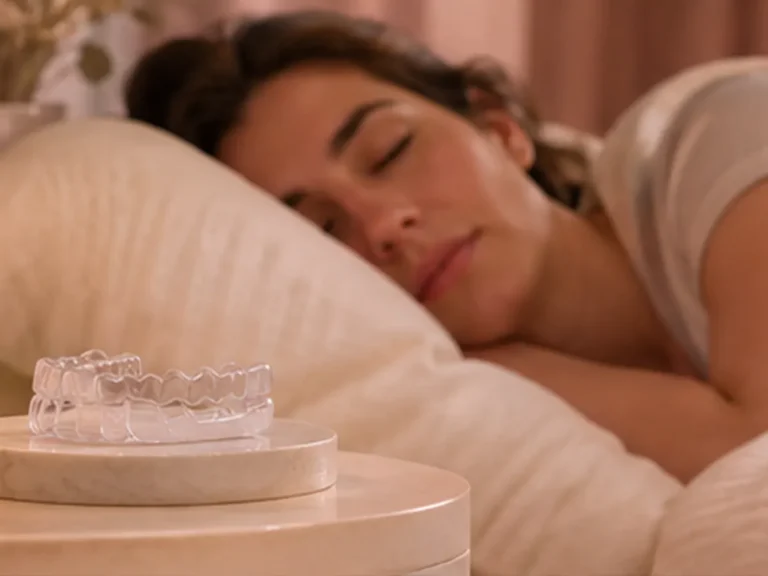
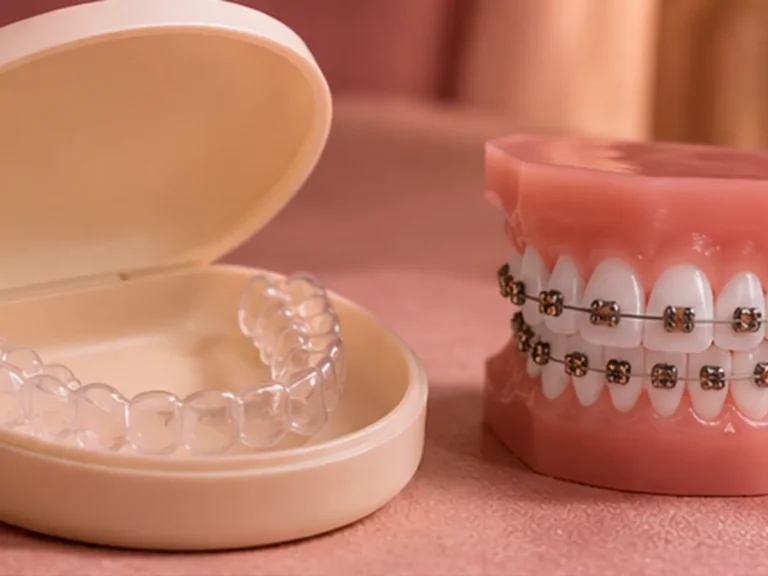
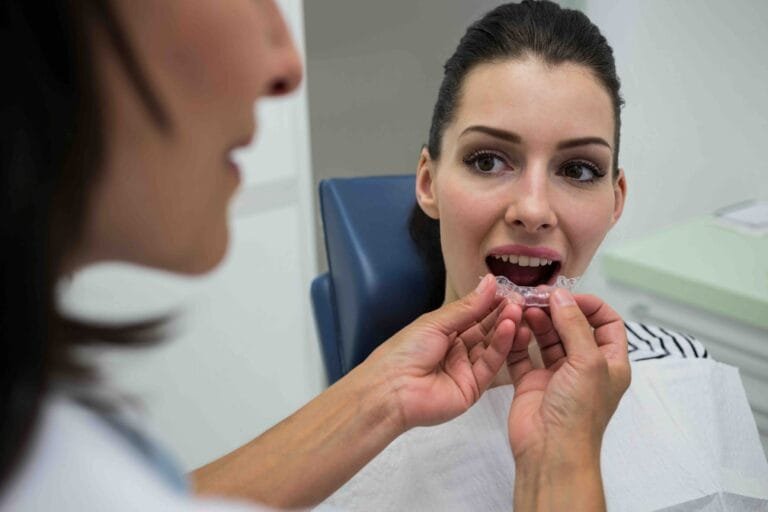
A mandibular advancement device may be appropriate for selected adults with obstructive sleep apnoea. This custom oral appliance holds the lower jaw forwards during sleep to help reduce upper airway obstruction. It differs from a conventional night guard used primarily to protect teeth from grinding.
Before recommending an oral appliance, the dental professional evaluates tooth support, bite relationships and jaw function. Patients also require monitoring for possible side effects, including dental movement or jaw discomfort.
Treatment effectiveness cannot be assumed from improved symptoms alone. Medical follow-up and appropriate testing may be necessary to establish whether breathing disturbances are adequately controlled.
Sleep Study for Sleep Apnea: Why Accurate Diagnosis Matters
A sleep study for sleep apnea provides information that symptoms and dental examinations cannot establish independently. By assessing breathing interruptions, oxygen changes and other physiological signals, medical professionals can determine whether a sleep-related breathing disorder is present and recommend appropriate management.
At Serenity Dental Clinic, airway-focused dental care considers jaw function, oral structures and individual symptoms as part of a coordinated approach. Understanding the findings of medical sleep investigations helps guide decisions about whether dental assessment or oral appliance therapy may have a role in the patient’s treatment.
Visit us at Serenity Dental Clinic
2202, 22nd floor, Control Tower, Motor City, Dubai